
These skulls were painted with beautiful patterns of intersecting parallel lines and dots (dot painting) that symbolize water, pathways...
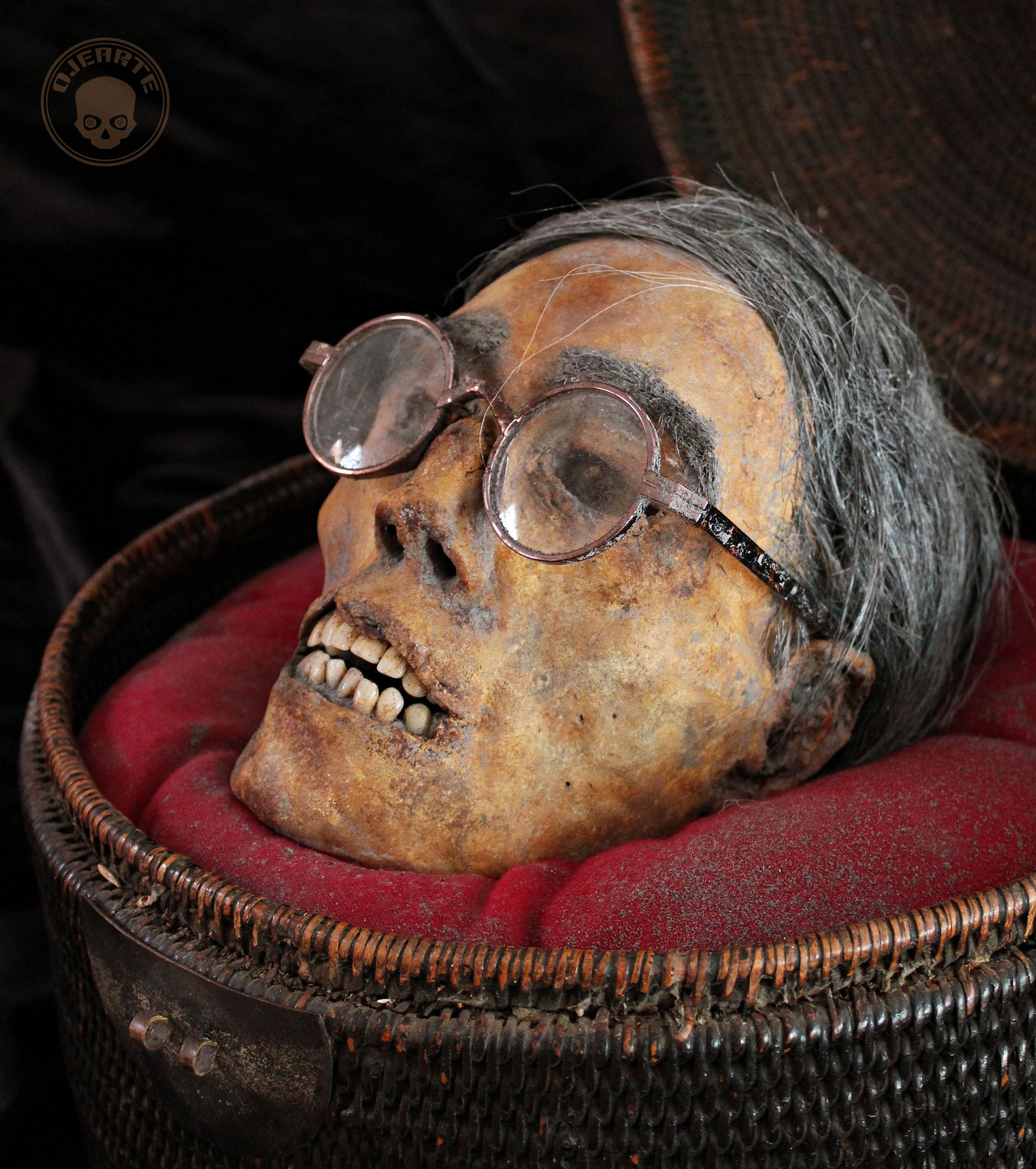
The Toraja mummies are part of a still-existing funerary practice of the Torajan people, an ethnic group from...
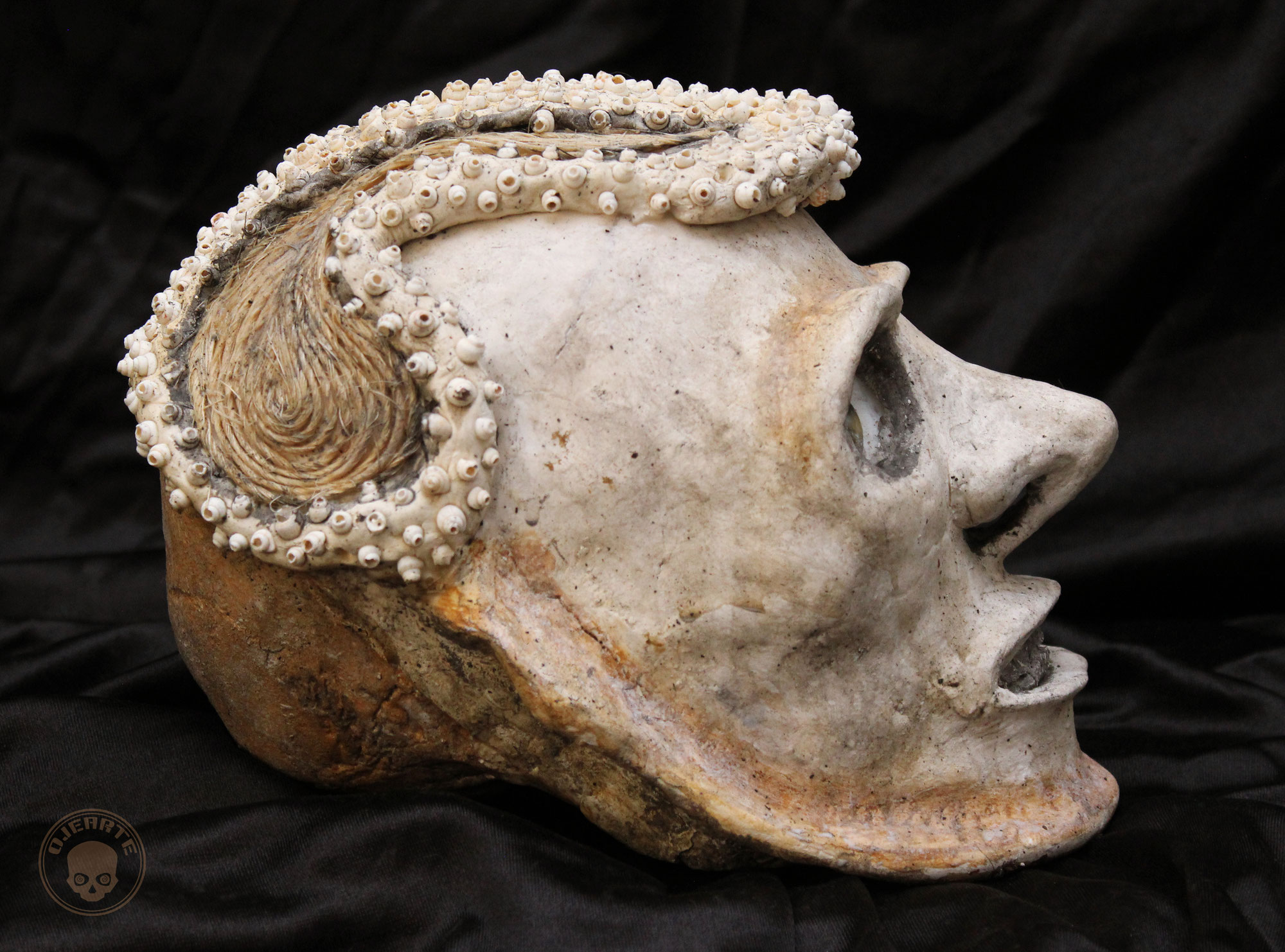
The overmodeled skulls of New Ireland (Papua New Guinea) are associated with the complex and costly funerary traditions of the...

A creature straddling myth and reality, it stems from a blend of descriptions of real animals, translation errors, and...

These sequined figures with a human skull represent Zazi Maza Wangòl, a forest spirit who...

The Iban are a subgroup of the Dayak in Borneo (Malaysia), and their trophy heads (antu pala) were obtained from their enemies; they believed...
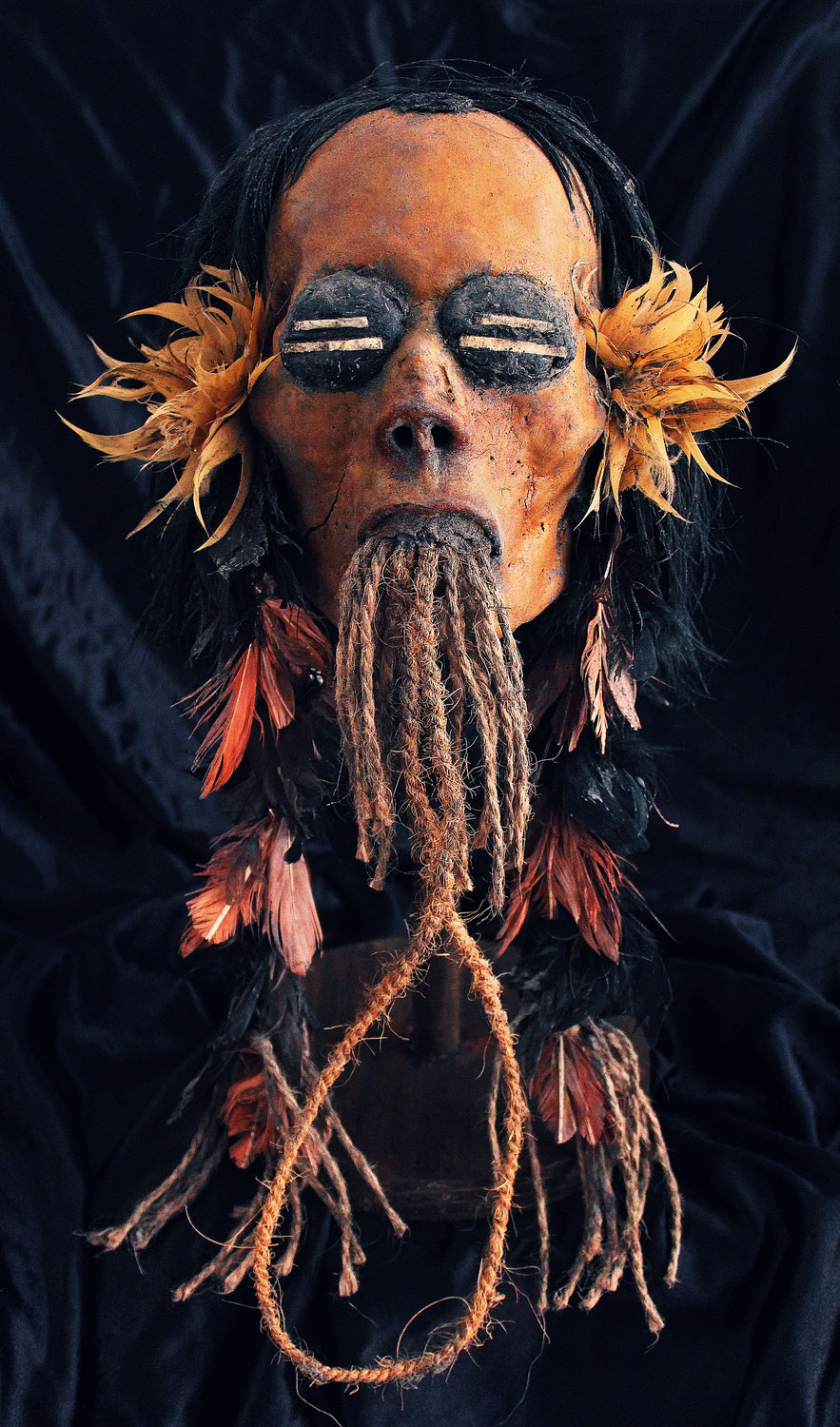
nduruku is a name given by their neighbors or rivals, meaning "red ants," alluding to their ferocious...

international benchmark for those who want tribal skulls and mummies without ethical, moral, or legal issues.
We've received thanks and congratulations for creating new pieces so that ancient cultures don't die...

The Ekoi skulls originate from the Ejagham people, who primarily inhabit what is now southeastern Nigeria and western Cameroon. The Ekoi have a strong tradition of...

Is it legal to own human skulls?
In short: It depends.
Owning them falls into a gray area almost everywhere...